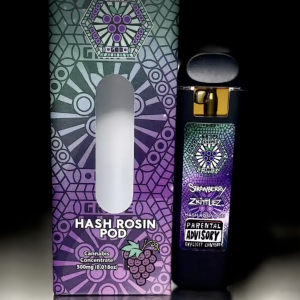
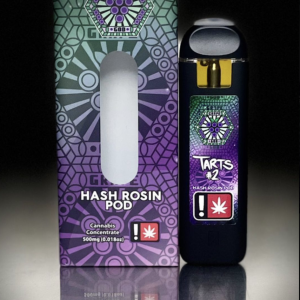
 GRAPE GOD STRAWBERRY ZKITTLEZ HASH ROSIN POD 500MG DISPOSABLE VAPE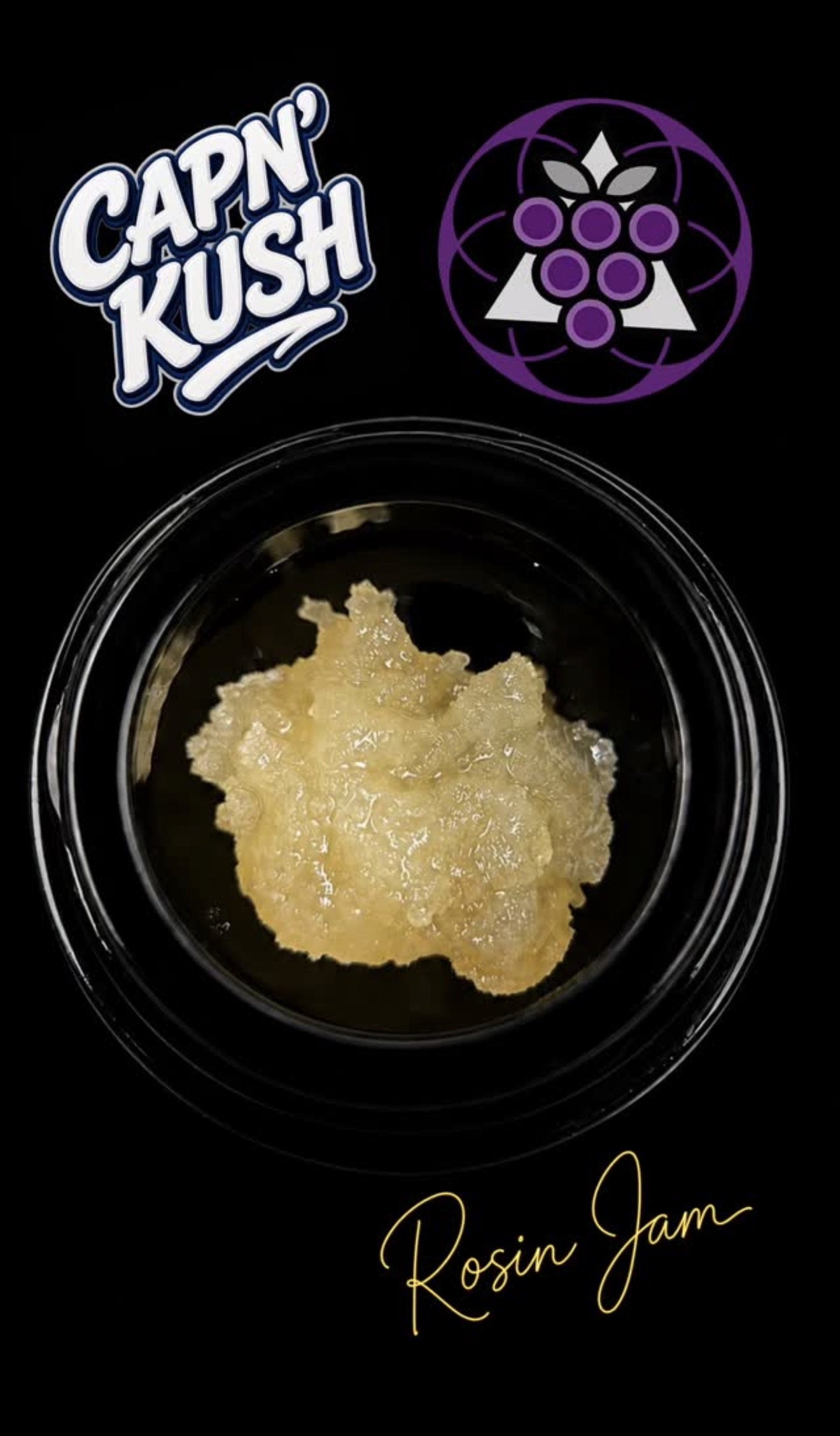
Grape God Concentrates: The Ultimate Guide to Premium Solventless & Solvent Extracts
Buy Grape God Concentrates Online
In the rapidly expanding world of cannabis extracts, few brands command as much loyalty as Grape God Concentrates. Consequently, connoisseurs and medical patients alike seek out this lineup for its exceptional purity, vibrant terpene profiles, and consistent potency. Meanwhile, newcomers often feel overwhelmed by the variety of concentrates available. Therefore, this guide will explore every product in the Grape God family—from solventless rosins to live resins and badders—so you can choose the perfect extract for your needs.
First and foremost, Grape God Concentrates are crafted from premium, indoor‑grown genetics. As a result, each batch retains the full aromatic and therapeutic potential of the original plant. Moreover, the brand offers multiple extraction methods, allowing users to select their preferred balance of flavor, potency, and price. Because transparency and safety are top priorities, every product undergoes rigorous third‑party testing. For this reason, Grape God has become a trusted name in dispensaries nationwide.
What Are Grape God Concentrates?
Before diving into specific products, let us define the category. Grape God Concentrates encompass all extract‑based products derived from the Grape God cultivar family (including Super Boof, Grape Cream Cake, and Purple God phenotypes). These concentrates are produced using two primary methods: solventless (ice water hash + rosin pressing) and solvent‑based (live resin with hydrocarbon extraction). Then, each extract is further processed into various consistencies—badder, sugar, sauce, or fresh press.
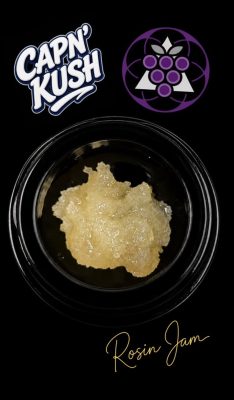
Consequently, the lineup offers something for every user. For flavor purists, the solventless rosin delivers unmatched terpene fidelity. For budget‑conscious shoppers, the live resin provides high potency at a more accessible price point. In addition, because all products share the same Grape God genetic backbone, they exhibit a recognizable aroma profile: sweet grape, diesel fuel, pine, and tropical fruit. Thus, fans can explore different textures and extraction styles while enjoying a consistent flavor signature.
Key Product Categories at a Glance
| Product Type | Extraction Method | Consistency | Terpene Preservation | Price Tier |
|---|---|---|---|---|
| Grape God Rosin | Solventless (ice water + press) | Badder / Fresh press | Excellent | Premium |
| Grape God Live Resin | Hydrocarbon (butane/propane) | Sugar / Sauce | Very good | Mid‑range |
| Grape God Badder | Hydrocarbon + curing | Whipped badder | Good | Mid‑range |
| Grape God Hash Bricks | Solventless (ice water) | Pressed hash | Very good | Value |
As the table shows, each product serves a different purpose. Subsequently, buyers can select based on their budget, dabbing equipment, and flavor preferences.
The Genetics Behind Grape God Concentrates
Understanding the genetics helps users appreciate why Grape God Concentrates taste and feel so distinctive. The original Grape God strain is a cross between God Bud and Grapefruit. God Bud contributes dense, trichome‑covered buds and a deeply relaxing body effect. Grapefruit, on the other hand, adds sweet citrus notes and an uplifting, energetic euphoria. When these two are combined, the offspring expresses rich purple hues and a distinct grape‑soda aroma.
Nonetheless, Grape God Concentrates use several selected phenotypes:
-
Super Boof – High resin production, heavy grape + gas terpenes
-
Grape Cream Cake – Sweeter profile with vanilla and berry notes
-
Purple God – More earthy and pine‑forward, with lower myrcene
Because each phenotype emphasizes different terpenes, the concentrates vary slightly in aroma and effect. However, all share a common backbone of myrcene, limonene, and β‑caryophyllene. For this reason, patients can rotate between phenotypes without losing the therapeutic benefits they expect from the Grape God lineage.
Solventless Rosin: The Crown Jewel
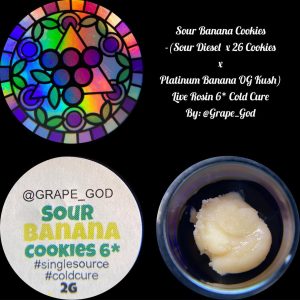
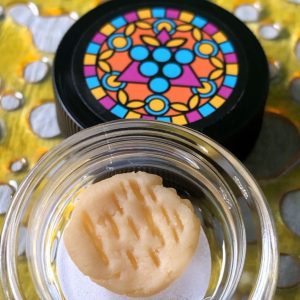
For connoisseurs who demand the purest possible product, Grape God Rosin is the answer. This concentrate is produced using only ice water, heat, and pressure. First, fresh‑frozen Grape God plants are washed in 32°F reverse‑osmosis water. The trichome heads become brittle and break off, then are caught on micron screens (45μ–159μ). Next, the resulting bubble hash is freeze‑dried to remove moisture without heat damage. Finally, the hash is pressed at 170°F and 800 PSI, yielding a golden sap.
As a result, the rosin contains zero residual solvents. Meanwhile, the low pressing temperature preserves over 90% of the original monoterpenes. Consequently, the flavor is brighter and more plant‑like than any hydrocarbon extract. The aroma bursts with concord grape, followed by notes of diesel, pine, and lemon candy. On the dab, the vapor is smooth and never harsh.
Grape God Rosin is available in two consistencies:
-
Fresh press – A translucent, shatter‑like sap. It requires low‑temperature dabbing.
-
Cold cure badder – After sealing fresh press at 60°F for 5–7 days, nucleation creates a wet, buttery texture. This is easier to handle and retains identical potency.
Because the production yield is low (typically 3–5% return from fresh frozen material), Grape God Rosin commands a premium price. However, experienced users argue that the flavor and purity justify the cost. For special occasions or for medical patients with chemical sensitivities, this rosin is unmatched.
Grape God Wax Live Resin: High Potency at a Better Value
Not everyone can afford premium hash rosin every day. For this reason, Grape God Live Resin offers an excellent balance of quality and price. Live resin is made from fresh‑frozen plants as well, but it uses hydrocarbon solvents (a blend of butane and propane) rather than ice water. The frozen material is packed into columns, and chilled solvent is passed through. Then, the solvent is evaporated under vacuum pressure, leaving behind a golden, terpene‑rich extract.
Although live resin contains trace amounts of solvent (typically below 100 ppm), reputable producers purge thoroughly. Every batch of Grape God Live Resin tests below California’s action limit of 500 ppm. Therefore, it remains safe for regular use.
The flavor profile of Grape God Live Resin is slightly different from the rosin. Because hydrocarbons dissolve a broader range of molecules, the extract includes more waxes and lipids. Nevertheless, the grape and diesel notes remain prominent. Many users describe the taste as “sweeter and more candy‑like” than the solventless version. The consistency is typically a sugary wet sand (sugar) or a liquid‑filled jar (sauce).
Live resin also tends to have higher total cannabinoid percentages (80–90%) compared to rosin (75–85%). Thus, patients seeking maximum THC per dab may prefer live resin. However, the terpene profile is slightly less nuanced due to some volatile monoterpenes being lost during vacuum purging.
Badder: Whipped Perfection for Easy Dabbing
Grape God Badder starts as live resin but undergoes an additional curing process. After the initial extraction, the concentrate is whipped with gentle heat (100–120°F) while introducing small amounts of oxygen. This agitation transforms the resin into a smooth, cake‑like batter. As a result, the badder is incredibly easy to scoop and place on a dab tool—no sticky shards or runny sauce.
The whipping process also changes the aroma slightly. Some terpenes (especially limonene) become more pronounced, while others mellow. Consequently, Grape God Badder often smells more “creamy” or “doughy” alongside the standard grape‑fuel profile. For users who find fresh press rosin or live resin too difficult to handle, badder offers a beginner‑friendly alternative.
Potency remains similar to live resin (75–85% THC). The price is also comparable, usually $5–10 less per gram than the live sugar. Because of its convenience, badder has become one of the most popular concentrate types in legal markets. For this reason, Grape God Badder is a core product in the lineup.
Hash Bricks: Traditional Solventless Value
For those who enjoy classic bubble hash or enjoy pressing their own rosin, Grape God Hash Bricks provide an affordable entry point. These bricks are made from dried Grape God trim and small buds, washed in ice water, then gently heat‑pressed into dense blocks. No solvents are used. However, unlike full‑melt rosin, hash bricks are not fully refined—they contain some plant matter.
As a result, the flavor is less intense than rosin or live resin, with more earthy and vegetal notes. Nevertheless, the grape‑soda aroma still comes through. Hash bricks are best used by crumbling into a joint, topping a bowl, or pressing further to make lower‑grade rosin. Because the production cost is lower, hash bricks are priced at $20–35 per gram.
For budget‑conscious users or for mixing with flower, Grape God Hash Bricks deliver reliable effects at a fraction of the price of premium concentrates.
Aroma and Flavor Profiles Across the Lineup
All Grape God Concentrates share a recognizable aromatic fingerprint, but nuances vary by product type.
| Product | Primary Aroma | Secondary Notes | Aftertaste |
|---|---|---|---|
| Rosin (fresh) | Concord grape, gas | Pine, lemon candy | Clean, floral |
| Rosin (badder) | Grape jelly, diesel | Cream, pepper | Sweet, lingering |
| Live resin | Grape soda, candy | Tropical fruit, earth | Sharp, citrus |
| Badder | Grape dough, vanilla | Gas, pine | Smooth, creamy |
| Hash brick | Grape, wood, spice | Herbal, chocolate | Earthy, nutty |
Because the extraction method alters which terpenes dominate, users are encouraged to try at least two different product types. For instance, a rosin lover might be surprised by the candy‑like intensity of the live resin. Conversely, a live resin fan may fall in love with the smoothness of the badder.
Potency and Effects by Product Type
While all Grape God Concentrates are THC‑dominant, minor cannabinoid levels and terpene profiles produce slightly different effects.
-
Rosin (75–85% cannabinoids) – Clean, euphoric head high followed by physical relaxation. Best for creative sessions and pain relief without sedation.
-
Live resin (80–90% cannabinoids) – Faster onset, more intense psychoactivity. Better for breakthrough experiences or high‑tolerance users.
-
Badder (75–85% cannabinoids) – Balanced high with noticeable body load. Ideal for evening use or winding down.
-
Hash brick (40–60% cannabinoids) – Milder, more grounding effect. Good for mixing with flower or for low‑tolerance users.
Nevertheless, individual biochemistry varies greatly. For this reason, we recommend starting with a small dab (rice grain size) and waiting 10 minutes before redosing.
Why Choose Grape God Concentrates?
With dozens of concentrate brands on the market, why should you choose Grape God? The answer lies in three pillars: genetics, consistency, and transparency.
First, the Grape God cultivar family has been selectively bred for over eight generations. As a result, the plants produce unusually large trichome heads and a consistent terpene ratio. This genetic stability means every batch tastes similar to the last—unlike polyhybrid strains that vary wildly.
Second, all extraction is performed in ISO‑7 clean rooms by trained chemists. Temperatures, pressures, and drying times are logged for every run. Consequently, you never receive a dried‑out or burned batch.
Third, every single product has a scannable QR code linking to a Certificate of Analysis (COA). The COA shows potency, terpenes, residual solvents, pesticides, heavy metals, and microbials. Therefore, what you see on the label is exactly what is inside the jar.
How to Dab Grape God Concentrates
To fully enjoy these products, proper dabbing technique is essential. First, use a clean quartz banger or e‑nail. Because residual carbon or old oil will alter the taste, always clean your nail after each dab. Next, heat the banger for 25–35 seconds, then let it cool for 45–60 seconds. The ideal dab temperature ranges from 450°F to 520°F. If the nail is too hot, the concentrate will burn, producing a harsh taste and destroying terpenes. On the other hand, if the nail is too cool, the concentrate will puddle without vaporizing fully.
For best results, use a carb cap to create low‑pressure vaporization. This technique lowers the boiling point of cannabinoids and terpenes, allowing extraction at lower temperatures. Consequently, you experience the full grape‑fuel bouquet from the first inhale.
Beginners should start with a dab roughly the size of a grain of rice. Wait 10 minutes after inhalation before deciding to take another. Because concentrates are highly potent, overconsumption can lead to dizziness or anxiety. However, such effects are temporary and subside within an hour.
Recommended Dab Accessories
-
Quartz banger (opaque bottom retains heat better)
-
Spinner carb cap or bubble cap
-
Terp pearls (ruby or sapphire) for even heat distribution
-
E‑nail with temperature control (e.g., 500°F preset)
-
Isopropyl alcohol and cotton swabs for cleaning
Storage and Shelf Life
Even the finest concentrates will degrade without proper storage. Grape God Concentrates are best kept in a cool, dark place. Ideally, store the sealed jar in a wine cooler or refrigerator set at 50–60°F. Avoid freezing rosins or live resins, as moisture condensation upon thawing can cause sizzling and flavor loss. Meanwhile, never leave the jar in a hot car or direct sunlight—heat accelerates the conversion of THC to CBN and evaporates volatile terpenes.
When stored correctly, the concentrates maintain their consistency and aroma for 6–9 months. After opening the jar, try to consume the contents within 3 months. Each time you open the lid, oxygen enters and slowly degrades terpenes. For this reason, some users portion their concentrates into smaller jars to limit air exposure.
If a concentrate dries out or crumbles prematurely, it is still safe to dab. However, the flavor will be less vibrant. To rehydrate slightly, a humidity pack (62% RH) can be placed inside a larger container alongside the open concentrate jar—but never directly touching the extract.
Grape God Rosin Jam Lab Testing and Transparency
Modern consumers demand proof of purity. Therefore, every batch of Grape God Concentrates undergoes comprehensive third‑party testing. The following contaminants are screened:
-
Residual solvents (for live resin/badder: below 100 ppm; for solventless: none detected)
-
Pesticides (over 66 panels – all ND)
-
Heavy metals (lead, arsenic, cadmium, mercury – below action limits)
-
Microbials (no E. coli, salmonella, or mold above allowable limits)
-
Mycotoxins (aflatoxins – ND)
Additionally, potency testing confirms total THC, THCa, CBD, CBG, and CBN. Terpene profiling by HPLC provides a breakdown of over 20 individual terpenes. Consequently, you can verify that the product matches its advertised profile. Batch numbers on each jar link directly to a public COA. For this reason, transparency is not just a promise—it is a standard.
Sustainability and Ethical Sourcing
In addition to product quality, many consumers care about environmental impact. Grape God Concentrates are produced using:
-
Regenerative living soil (no synthetic nutrients, carbon‑sequestering practices)
-
Solar‑powered freeze dryers and rosin presses
-
Recyclable glass jars and cardboard packaging
-
Closed‑loop hydrocarbon systems with 98% solvent recovery
Furthermore, the growers pay living wages and provide health benefits to all harvest and extraction staff. As a result, your purchase supports ethical agriculture, not industrial exploitation. For environmentally conscious consumers, this matters as much as the product itself.
Customer Feedback and Community Reviews
Real‑world testimonials reflect the brand’s reputation. Below are anonymized quotes from verified buyers:
“I’ve tried dozens of concentrates, but Grape God’s rosin is the only one I re‑order. The grape jelly nose is unreal, and the high is so clear‑headed.”
— Tony R., verified buyer
“As a medical patient with fibromyalgia, solvents cause lung irritation. Grape God’s solventless rosin gives me pain relief without coughing fits. Plus, the flavor is a bonus.”
— Sarah L., medical patient
“The live resin is perfect for my high tolerance. One dab and I’m set for hours. And the price is reasonable for the quality.”
— Marcus D., daily user
How to Purchase Grape God Concentrates
Currently, Grape God Concentrates are available through select licensed retailers and direct delivery services in adult‑use states. To purchase, follow these steps:
-
Verify your local laws – ensure cannabis concentrates are legal where you reside.
-
Check our store locator on the brand website for nearby dispensaries.
-
For delivery states, create an account, upload ID, and complete age verification.
-
Select your product (rosin, live resin, badder, or hash brick) and quantity.
-
Add to cart and complete checkout using debit card or cash on delivery (where permitted).
-
Receive tracking information for shipped orders (signature required).
Because each batch is small‑batch and limited, we recommend signing up for email alerts. Consequently, you will be notified when new drops are scheduled.
Grape God Capn Kush Rosin Jam Pricing and Value Proposition
Grape God Concentrates are priced transparently by product type:
-
Hash brick: $20–35 per gram
-
Live resin / Badder: $45–65 per gram
-
Live resin sauce (limited): $60–75 per gram
-
Rosin (cold cure): $70–85 per gram
-
Rosin (fresh press limited): $80–95 per gram
Although the rosins are more expensive, the value becomes clear when you calculate cost per dab. A single rice‑grain dab (≈25 mg) is sufficient for most users. From a 1‑gram jar, you get roughly 40 such dabs. That equals approximately $1.75–$2.40 per session for rosin, or $1.10–$1.60 per session for live resin—comparable to a craft beer or specialty coffee. Moreover, the medical relief and flavor enjoyment justify the expense for regular users.
For bulk buyers (dispensaries or collectives), wholesale pricing is available. Please contact our B2B sales team with your license information.
Frequently Asked Questions
Q1: Are Grape God Concentrates organic?
Yes. The starting flower is grown in certified organic living soil without synthetic pesticides or fertilizers. Solventless products use no chemicals at all. Solvent‑based products use pharmaceutical‑grade hydrocarbons that are fully purged.
Q2: Can I vape these concentrates in a standard 510 cartridge?
No. These concentrates are too viscous for standard cartridges. They are designed for dab rigs, e‑nails, or concentrate vaporizers like the Puffco Peak or Dr. Dabber Switch.
Q3: How do I know if a batch is fresh?
Check the harvest date and packaging date on the label. Fresher is better. For rosin, look for a shiny, wet appearance. For live resin, the sugar should be moist, not dry and crumbly.
Q4: Which Grape God concentrate is best for beginners?
Start with the badder. It is easy to handle, less likely to splatter, and offers a forgiving temperature range. Avoid fresh press rosin until you have dabbing experience.
Q5: What is the return policy?
Due to the perishable nature, returns are only accepted if the product arrives damaged or fails lab testing. Always inspect your jar upon delivery.
Q6: Can I travel with Grape God Concentrates?
No. Despite their premium quality, transporting cannabis concentrates across state lines or internationally is illegal. Always consume in your legal jurisdiction.
Why Buy Grape God Concentrates Deserve a Spot in Your Rig?
In summary, this guide has covered every facet of Grape God Concentrates. From the solventless purity of the rosin to the accessibility of the live resin and the convenience of the badder, this lineup offers something for every cannabis user. Because the market is flooded with mediocre extracts, finding a truly reliable brand requires careful research. Consequently, Grape God has become a trusted name through genetic consistency, rigorous testing, and transparent labeling.
Whether you are a seasoned dabber seeking the ultimate flavor experience or a medical patient demanding clean, solvent‑free medicine, Grape God delivers. Moreover, with proper storage and low‑temperature dabbing, you unlock the full potential of the grape‑fuel terpene symphony. As a result, each session becomes a ritual rather than a routine.
Finally, remember to start low and go slow, keep your jars cool, and always verify lab results. When you choose Grape God Concentrates, you are not just buying an extract—you are investing in craftsmanship, transparency, and the future of premium cannabis. Try a jar today and taste the difference.
3 reviews for GRAPE GOD CAPN’ KUSH ROSIN JAM
Add a review
Related products
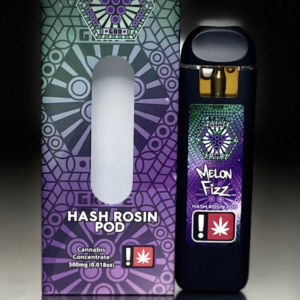
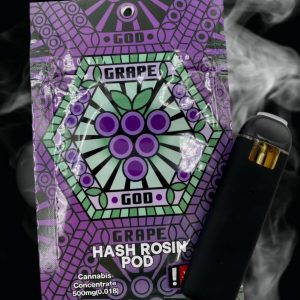
GRAPE GOD HASH ROSIN POD
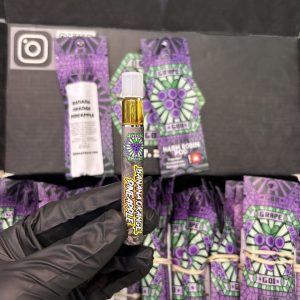

BUY GRAPE GOD HASH ROSIN POD BULK WHOLESALE ONLINE
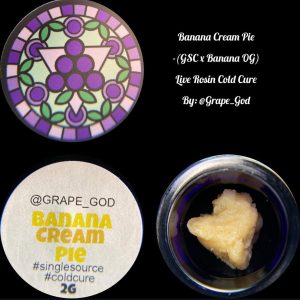

GRAPE GOD HASH ROSIN POD
GRAPE GOD HASH ROSIN POD
Angel Braiden –
Helps me stay relaxed.
Manuel R. –
Great prices and fast shipping!
Mary B. –
Reasonable prices, prompt delivery